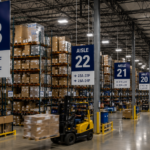
The logistics and distribution sector in Central Ohio is experiencing unprecedented growth. Driven by Columbus’s strategic geographic location—within a 10-hour drive of nearly half the US population—massive warehouse facilities and distribution centers are rapidly expanding across the region. While developers focus heavily on square footage, loading dock capacity, and automated sorting systems, one critical element of operational efficiency is often an afterthought: a comprehensive wayfinding signage strategy.
In a sprawling, million-square-foot distribution center, clear communication is not a luxury; it is an operational necessity. A haphazard approach to warehouse signage leads to lost drivers, delayed shipments, safety hazards, and decreased employee productivity. For Columbus logistics facilities looking to optimize their operations, investing in a strategic wayfinding system is essential.
Optimizing the Exterior Traffic Flow
The efficiency of a warehouse begins before a truck ever backs into a loading dock. Massive distribution centers see hundreds of semi-trucks, delivery vans, and employee vehicles enter the premises daily. Without clear exterior wayfinding, this heavy traffic volume quickly turns into a logistical bottleneck.
A comprehensive exterior signage strategy starts at the property line. Large, highly visible directional signs must clearly separate commercial truck traffic from employee and visitor parking immediately upon entering the facility. Once commercial traffic is routed correctly, clear sequential signage is required to guide drivers to the appropriate receiving or shipping areas.
Crucially, loading dock doors must be clearly numbered with oversized, high-contrast reflective signs. A driver maneuvering a 53-foot trailer in a busy yard cannot be expected to search for small, faded numbers. Clear dock identification speeds up the docking process, reduces yard congestion, and minimizes the risk of low-speed collisions between vehicles.
Enhancing Interior Operational Efficiency
Inside the warehouse, the scale of the environment can be overwhelming. Forklift operators and order pickers must navigate vast grids of racking systems to locate specific inventory quickly. When interior signage is inadequate, employees waste valuable time searching for aisles or verifying locations, directly impacting the facility’s fulfillment rate.
An effective interior wayfinding system utilizes a logical, hierarchical naming convention. Aisle markers should be suspended high above the racking, visible from multiple angles and long distances. These markers must use large, highly legible typography and contrasting colors.
Furthermore, wayfinding isn’t just about finding inventory; it’s about navigating the facility itself. Clear directional signage pointing toward main exits, restrooms, break areas, and management offices ensures that new employees and temporary seasonal workers can navigate the massive space efficiently, reducing onboarding time and friction.
Prioritizing Safety and Compliance
In an industrial warehouse environment, safety is the highest priority. Forklifts, automated guided vehicles (AGVs), and pedestrian workers operate in close proximity. A comprehensive signage strategy is a critical component of any warehouse safety program.
Safety wayfinding includes clearly marking pedestrian-only walkways, forklift crossing zones, and speed limit warnings. Hanging signs should identify areas where hard hats or safety glasses are required.
Additionally, emergency wayfinding is heavily regulated by OSHA and local fire codes. All emergency exits must be clearly marked with illuminated signs. Fire extinguisher locations, first aid stations, and eye-wash stations must be highly visible from anywhere on the warehouse floor. Failure to implement these critical safety signs not only puts employees at risk but exposes the facility to severe compliance fines.
The Value of a Professional Signage Partner
Designing and implementing a wayfinding strategy for a massive logistics facility is a complex undertaking that requires specialized expertise. Standard office signage is entirely inadequate for the scale and durability required in an industrial warehouse.
Partnering with an experienced commercial sign company ensures that your facility utilizes industrial-grade materials, such as heavy-duty aluminum, reflective vinyl, and impact-resistant plastics. A professional partner will conduct a thorough site audit to map traffic flows, identify bottlenecks, and design a comprehensive signage package that optimizes both efficiency and safety throughout your Columbus warehouse.
Frequently Asked Questions
What materials are best for exterior warehouse loading dock signs?
Exterior warehouse signs must withstand harsh weather, UV exposure, and potential impacts. Heavy-duty aluminum panels overlaid with engineer-grade reflective vinyl are the industry standard. The reflective vinyl ensures that dock numbers are highly visible to truck drivers at night or in low-light conditions when illuminated by headlights.
How large should interior aisle markers be in a distribution center?
The size of interior aisle markers depends on the ceiling height and the required viewing distance. As a general rule, lettering should be at least one inch tall for every 30 feet of viewing distance. In a large distribution center, this often means aisle markers need to be 18 to 24 inches tall with bold, high-contrast lettering to be legible from the end of a long aisle.
Are there specific OSHA requirements for warehouse safety signs?
Yes, OSHA has strict regulations regarding the design, color, and placement of safety signs. For example, “Danger” signs must feature red, black, and white colors, while “Caution” signs utilize yellow and black. Emergency exit signs must be illuminated and have letters at least 6 inches high. A professional sign company ensures your facility remains compliant with all local and federal regulations.
Can wayfinding signage improve warehouse employee retention?
Yes, indirectly. A massive, poorly labeled warehouse is frustrating and stressful for new hires and temporary workers who constantly feel lost or struggle to meet picking quotas due to navigational inefficiencies. Clear wayfinding creates a more organized, less stressful work environment, which contributes to higher job satisfaction and improved employee retention.
Recent Posts