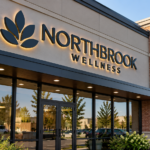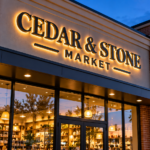
Window graphics for Columbus storefronts should do more than list hours and contact information. The best projects balance privacy, brand visibility, promotions, daylight, pedestrian traffic, and professional installation. For retail, healthcare, CRE, and industrial businesses, the right window graphics can turn unused glass into a branded, functional, lead-generating surface.
Window graphics turn storefront glass into working business space
A business’s windows are one of its most valuable signage assets. Yet many companies think too small: address, phone number, business hours, and maybe a logo. Those details matter, but they are only the beginning.
For Columbus storefronts, office suites, healthcare spaces, and service businesses, window graphics can help solve practical problems:
• Improve privacy without closing off natural light
• Promote seasonal offers or rotating campaigns
• Reinforce brand credibility before someone walks in
• Clarify entrances, suite numbers, departments, or hours
• Make vacant or underused glass look intentional
• Add visual consistency across multi-tenant properties
City Signworks often sees businesses underestimate how much their glass can communicate. A retail business in a walkable Columbus neighborhood can use window graphics and a QR code to promote rotating offers. A B2B service company in an industrial area can use its front windows to establish credibility with a clear message, professional visuals, and branded design.
That is the difference between “putting something on the window” and using the window as part of a commercial signage strategy.
If your storefront glass is underperforming, City Signworks can help plan, design, produce, and install window graphics for Columbus businesses that support privacy, promotion, and brand visibility.
The best window graphic starts with a clear business objective
Before choosing materials or approving artwork, define what the window needs to accomplish. Most window graphics fall into one or more of these categories.
1. Privacy
Common for medical offices, salons, financial services, conference rooms, fitness studios, and tenant spaces. Frosted vinyl and patterned privacy films can reduce visibility while preserving a clean, professional appearance.
2. Promotion
Ideal for retail storefronts, restaurants, gyms, event spaces, and service businesses. These graphics can highlight offers, grand openings, seasonal campaigns, or QR-code-driven landing pages.
3. Branding
Useful for any business that wants a more polished street presence. Logos, brand colors, taglines, product imagery, and service lists can make a space feel established and trustworthy.
4. Wayfinding
Important for office parks, healthcare facilities, schools, industrial properties, and multi-tenant buildings. Window graphics can support entrance identification, suite navigation, and visitor flow alongside broader ADA signage and interior wayfinding systems.
5. Glass coverage during buildouts or vacancies
Property managers and commercial real estate teams can use graphics to make vacant storefronts look active, protect interior construction from view, and promote leasing opportunities.
When the objective is clear, the design becomes easier to judge. A privacy-focused design should not be evaluated like a promotional retail window. A leasing graphic should not be treated like a permanent brand installation.
Material selection determines privacy, visibility, and durability
Different window graphic materials solve different problems. Choosing the wrong one can create poor visibility, glare issues, short lifespan, or a cluttered storefront.
| Option | Best Use | What to Know |
| Frosted privacy vinyl | Offices, healthcare, conference rooms, salons | Provides privacy while keeping a clean architectural look |
| Perforated window vinyl | Storefront advertising and exterior-facing promotions | Allows graphics outside while preserving some visibility from inside |
| Opaque vinyl graphics | Logos, hours, service lists, bold brand elements | Strong visual impact but blocks visibility where applied |
| Removable promotional decals | Short-term offers, events, seasonal retail campaigns | Good for campaigns that change frequently |
| Cut vinyl lettering | Hours, doors, suite numbers, simple branding | Clean and cost-effective for essential information |
For Columbus businesses, the right material often depends on location. A storefront facing High Street, Bridge Park, Polaris, Easton, or a busy suburban retail corridor may need bold visibility from moving traffic. A professional office in Dublin, Westerville, Hilliard, New Albany, or Gahanna may prioritize privacy, polish, and tenant consistency.
Industrial and B2B facilities have different needs. For manufacturing facility signage, logistics offices, and contractor locations, window graphics should communicate credibility quickly: who you are, what you do, where visitors enter, and whether they are in the right place.
Columbus storefront designs should account for pedestrians, drivers, and tenants
A common mistake is designing window graphics only for someone standing directly in front of the glass. In reality, your audience may be walking past, parking, driving by, approaching from an office lot, or searching for a suite entrance.
Use this quick diagnostic before approving a design:
• From 50 feet away: Can someone understand the business category?
• From 20 feet away: Is the brand recognizable?
• From the sidewalk: Is the offer, entrance, or message clear?
• From inside: Does the graphic block too much light or visibility?
• At night: Will the graphic still work with interior lighting?
• For tenants or visitors: Does it support navigation instead of adding confusion?
This is especially important for CRE and property managers. A multi-tenant building with inconsistent window graphics can look disorganized even when each tenant’s individual sign is technically well made. Standards for placement, color usage, lettering height, and approved materials can make the whole property feel more professional.
Window graphics should also coordinate with exterior signs, lobby signs, directional signs, and manufacturing facility signage when applicable. The strongest projects feel like one system, not a collection of unrelated decals.
Professional installation protects the final appearance
Window graphics look simple when they are finished correctly. The hard part is what happens before the finished photo: measuring, surface prep, alignment, trimming, temperature awareness, and clean installation.
A professional process typically includes:
1. Site review or measurements
The window size, mullions, door swings, handles, tint, and obstructions all affect the layout.
2. Design and proofing
Artwork should be scaled to the actual glass, not designed as a generic rectangle.
3. Material recommendation
The installer should match vinyl type, adhesive, and finish to the use case.
4. Surface preparation
Dirt, residue, old adhesive, and temperature conditions can affect adhesion.
5. Installation and finishing
Proper alignment, trimming, and edge detail determine whether the finished product looks professional.
6. Care guidance
Cleaning methods matter. Harsh scraping or aggressive chemicals can shorten the life of the graphic.
Most standard window graphic projects do not require the same permitting process as large exterior building signs, but every property is different. Landlord standards, tenant criteria, historic district rules, and local sign code considerations can still apply depending on the location and scope. When in doubt, ask before producing the graphics.
A practical window graphics plan prevents clutter
The best storefront graphics usually have restraint. Covering every inch of glass can reduce visibility, overwhelm the building, and make the business look less professional.
A strong plan should answer:
• What is the primary message?
• What must be readable from outside?
• What information belongs on the door versus the window?
• Where is privacy actually needed?
• Will promotions change monthly, seasonally, or rarely?
• Should a QR code connect to offers, menus, booking, or lead capture?
• Does the design match the rest of the property signage?
For many Columbus businesses, the winning formula is a combination: permanent brand elements, clear door information, privacy coverage where needed, and one flexible promotional area that can be updated over time.
Window graphics work best as part of a larger signage system
Window graphics are often the first layer of visibility, but they should not carry the whole burden alone. A storefront may also need channel letters, monument signs, directional signs, lobby signs, ADA-compliant room signs, or vehicle graphics to create a complete brand presence.
That is where a consultative sign partner matters. City Signworks works with Columbus businesses, contractors, property managers, healthcare teams, and growing companies that need more than a one-off decal. The goal is to help each sign do its job: attract attention, direct people, support compliance, and make the business look credible.
For companies comparing sign companies in Columbus, the question should not only be “Who can print this?” The better question is: “Who can help us make the right signage decision for this location, audience, and business goal?”
FAQ
What type of window graphics are best for privacy?
Frosted privacy vinyl is often the best choice for offices, conference rooms, healthcare spaces, salons, and professional service businesses. It limits visibility while maintaining a clean, modern appearance. Patterned privacy vinyl can also add design interest without making the space feel closed off.
Can window graphics be used for promotions?
Yes. Window graphics are excellent for retail promotions, grand openings, seasonal offers, QR codes, hiring messages, and event announcements. If the promotion will change often, removable decals or a planned changeable graphic area may be better than treating the entire window as permanent signage.
Do Columbus window graphics require a permit?
Many basic window graphics do not require the same permitting process as larger exterior signs, but requirements can vary by municipality, property type, landlord standards, and the amount of glass coverage. Businesses should confirm requirements before production, especially in managed retail centers, historic areas, or multi-tenant properties.
How long do commercial window graphics last?
Lifespan depends on the material, sun exposure, installation quality, cleaning methods, and whether the graphic is installed inside or outside the glass. Short-term promotional decals may be intended for temporary use, while higher-quality permanent or semi-permanent vinyl graphics can last much longer when properly installed and maintained.
What should be included on storefront window graphics?
At minimum, storefront window graphics may include a logo, hours, entrance information, and core services. Stronger designs also consider brand positioning, privacy needs, QR-code offers, pedestrian visibility, and how the window graphics coordinate with the rest of the business’s signage system.
Next Step for City Signworks
Recent Posts